
Last updated October 17, 2026
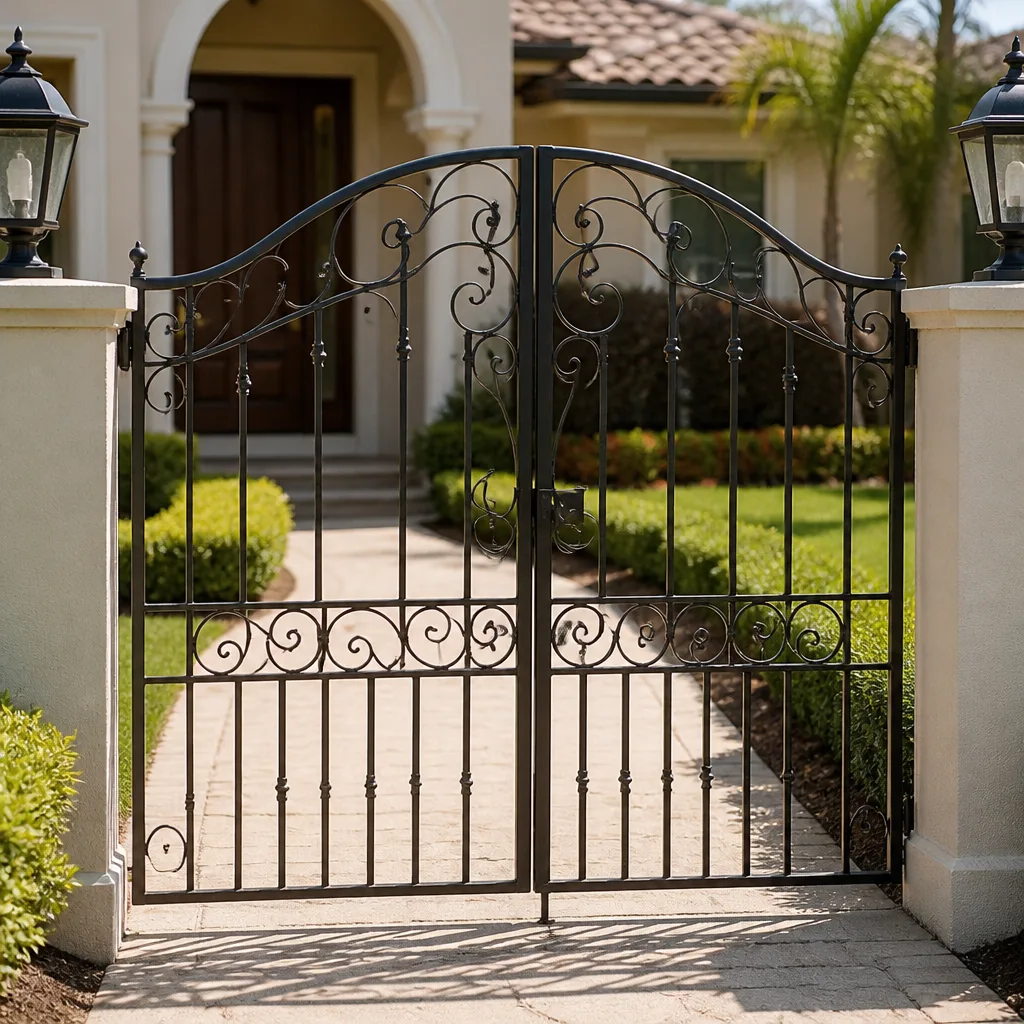 Wrought iron
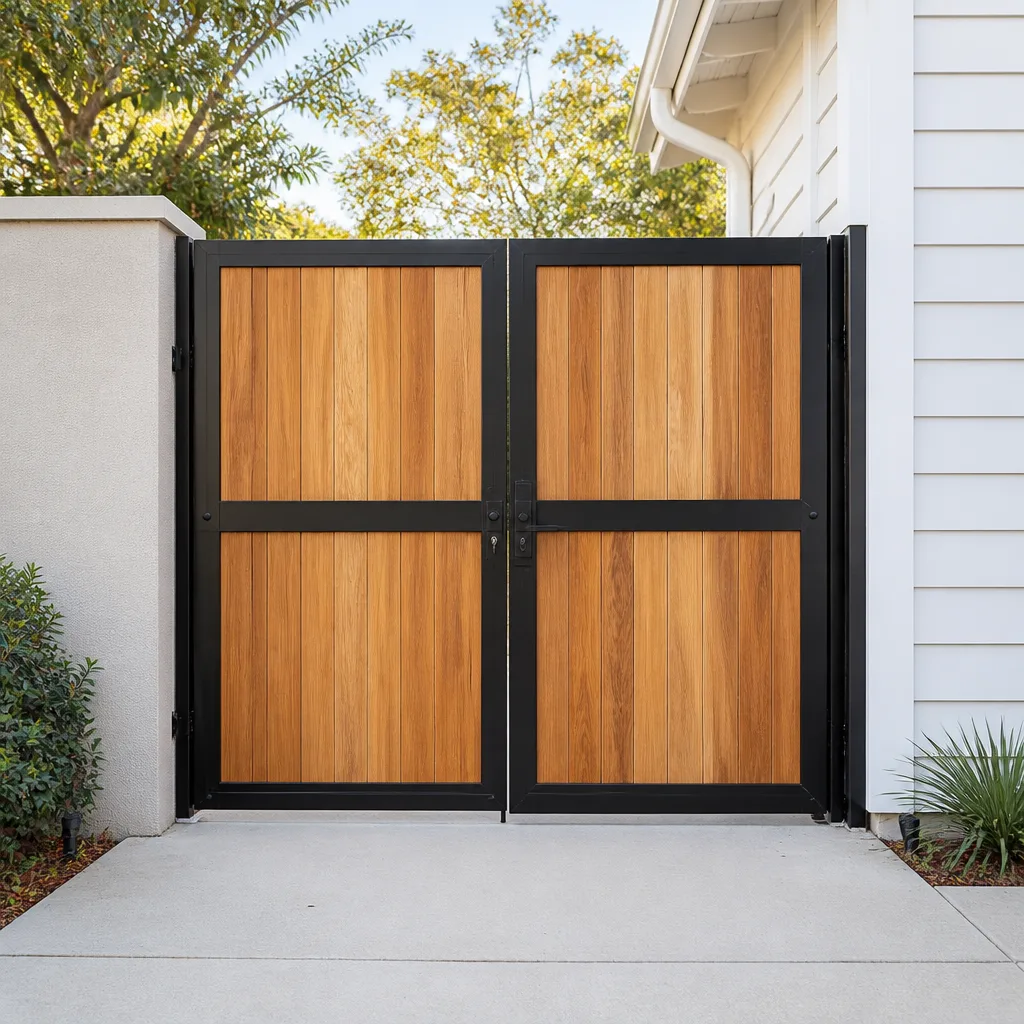 Wood & steel frame
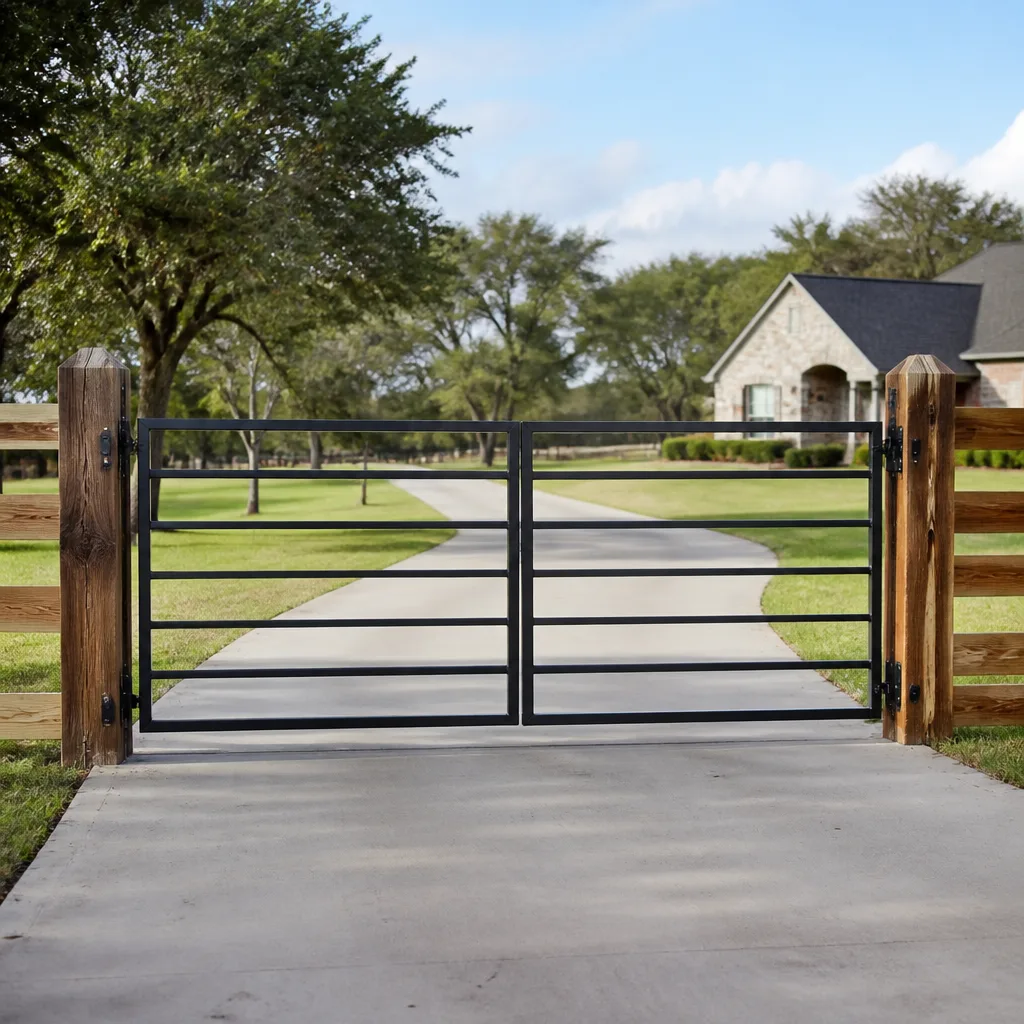 Farm & ranch
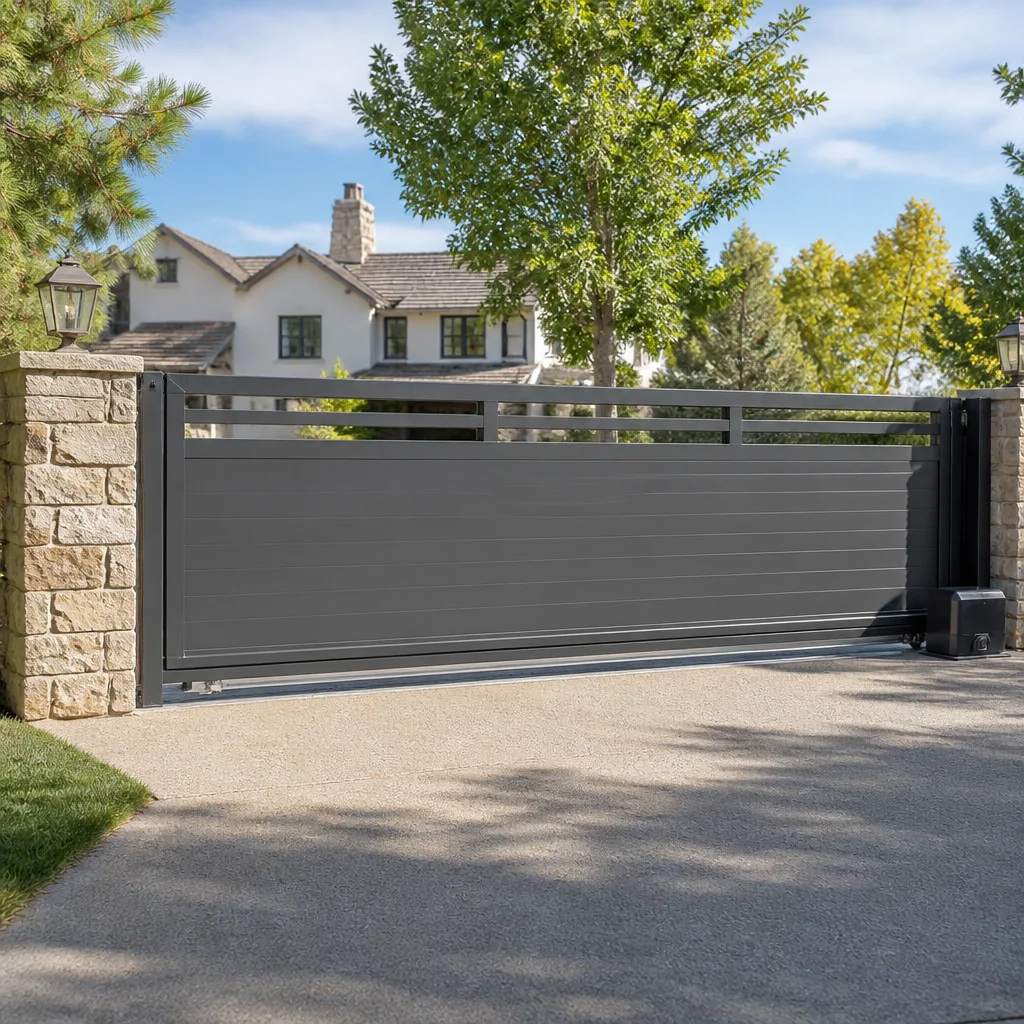 Sliding driveway gates
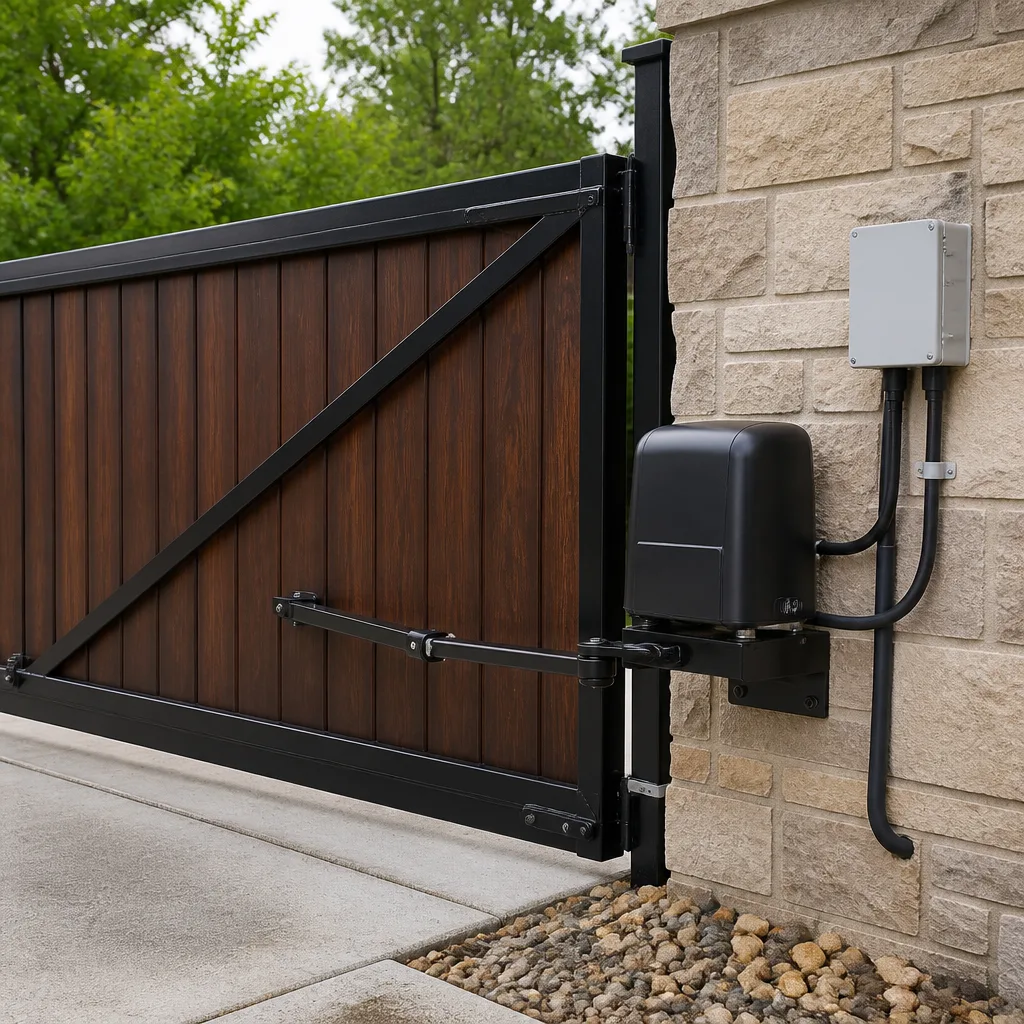 LiftMaster operators
Free on-site gate assessment - hinges, posts, and your LiftMaster or Nice gate operator checked before anything is quoted
The assessment is free and the quote is the invoice.
Get your free estimateSeasonal Gate Repair Care for West Palm Beach: Year-Round Homeowner’s Guide
West Palm Beach gets roughly 62 inches of rain a year, nearly all of it between June and October. A wooden or hollow-aluminum gate post sitting in saturated soil for five months absorbs enough moisture to shift its plumb alignment by a quarter inch. That sounds small. It is enough to bind a latch completely by the following dry season. This guide explains the two real seasons your gate experiences in West Palm Beach, what each one does to your hardware and posts, the schedule that prevents most failures, and what it actually costs if you skip the routine. For a deeper dive, see The Complete Guide to Gate Repair in West Palm Beach. We’ve built this from what we see on service calls across West Palm Beach every single year.
Styles & brands we work with
Quick Answer
West Palm Beach has two gate seasons, not four: a dry corrosion season from November through April when salt air eats hardware, and a wet swelling season from May through October when rain and soil movement stress frames and posts. Proper seasonal gate care means applying marine-grade lubricant to hinges and latches each November, inspecting and cleaning salt residue every 60 days during the dry season, and checking post footing drainage and latch alignment monthly from May through October. Skipping this routine is what turns a $15 tube of grease into a $340 hinge-and-latch rebuild by March.
Table of Contents
- Dry Season Protocol (November – April): Salt, Corrosion, and Hardware Care
- Wet Season Protocol (May – October): Drainage, Swelling, and Soil Movement
- Hurricane Prep for Gates: What to Do Before a Named Storm
- The Cost of Skipping Seasonal Care: Real Numbers
- The Post-Storm Inspection Checklist
- Lubricant Guide by Gate Material Type
- Common Mistakes to Avoid
- When to Call a Professional
- Frequently Asked Questions
- The Bottom Line
Dry Season Protocol (November – April): Salt, Corrosion, and Hardware Care
From November through April, West Palm Beach trades rain for something quieter but just as destructive: salt air. The ocean breeze carries fine salt particles inland, and they settle on every metal surface your gate has: hinges, latch internals, bolts, brackets, and the seams where panels meet rails. Salt is hygroscopic, which means it pulls moisture out of the air and holds it against the metal. You get corrosion even on days that feel perfectly dry.
We see this pattern constantly on aluminum gate frames in West Palm Beach. Aluminum doesn’t rust the way steel does, but it does oxidize. That oxidation builds up inside hinge barrels and latch bodies. The gate gets stiff. Then it gets noisy. Then a homeowner forces it, and the force bends a hinge leaf or cracks a latch housing. By the time you hear grinding, our Gate Repair services have already moved from maintenance to replacement.
Here is the dry season routine we recommend, in order:
- Rinse the hardware every 60 days. Use a garden hose on a gentle spray to wash salt residue off hinges, latches, and the bottom rail of the gate panel. Do not use a pressure washer. High pressure drives salt water into bearing surfaces instead of off them.
- Inspect the hardware sequence. Start at the top hinge and work down. Look for white chalky buildup on aluminum, reddish flaking on steel fasteners, and any dark staining around bolt heads. Staining means water has been sitting there.
- Test the latch throw. Open and close the latch by hand, slowly. It should move through its full throw without binding. If it catches halfway, the internal spring has likely corroded.
- Apply marine-grade grease to hinge pins and latch internals. One thin coat in early November. That single application, on clean hardware, usually carries through the entire dry season.
- Check every fastener for torque. A socket or hex key, ten minutes, and you’ll find at least one bolt that has backed out a quarter turn. A loose bolt lets a panel flex, and flex kills welds.
We work on gate systems from FAAC, BFT, Linear, and Viking regularly in West Palm Beach, and the control boards and motors from these brands hold up well in this climate when they’re kept dry and clean. The failure point is almost never the board. It’s the mechanical hardware that gets ignored for six months. The board just does what the stiff hardware tells it to, until it draws too much current and trips its own protection.
One more dry-season note: November is also the right month to look at your gate’s finish. Sun exposure in West Palm Beach is relentless year-round, but the dry season is when you can actually do something about it. A powder-coated aluminum panel that has started to chalk should be cleaned and touched up before the wet season arrives and traps moisture in the exposed metal.
Wet Season Protocol (May – October): Drainage, Swelling, and Soil Movement
In the wet season, the threat changes from chemistry to physics. Five months of regular afternoon thunderstorms saturate the soil around your gate posts. That soil expands. It also gets heavier. A gate post is essentially a lever buried in the ground, and saturated soil gives that lever more room to move. The post leans. The gate panel, hung from that post, now hangs out of plane. The latch no longer lines up with the strike. The gate drags on the ground or binds at the top hinge.
Here is what actually happens under a gate post in West Palm Beach during the wet season. The top eighteen inches of soil go through repeated wet-dry cycles. Each cycle lets the post shift a tiny amount. Over five months, that quarter-inch we mentioned becomes real. It is not dramatic to look at. You might not even notice it visually. But when the dry season returns and the soil contracts, the post does not return to its exact original position. The misalignment stays. That is why we get so many latch repair calls in November and December: the wet season did the damage, and the dry season reveals it.
The wet season protocol:
- Inspect drainage around every post footing monthly. After a heavy rain, walk out and look at the base of each gate post. If water is pooling there for more than an hour after the rain stops, the grading has failed or the soil has compacted. The fix is usually regrading or adding a small French drain, not rebuilding the gate.
- Check latch strike alignment monthly. Close the gate and watch the latch enter the strike. If the latch scrapes the edge of the strike plate or needs a push to engage, the post has begun to move. Note how much force it takes, and compare month to month.
- Build swelling allowances into wood gate panels. If your gate is wood, the panel itself will swell in this humidity. A gap that looked right in April will be too tight by August. Allowing a slightly larger gap at the latch side during the wet season lets the panel expand without binding. We typically set wood gates in West Palm Beach with a slightly wider reveal than you’d use in a drier climate.
- Look for standing water at the post base. This is the one that tells you something structural is happening. Standing water means the soil around the post is saturated. If that water stays for days, the post is sitting in mud. A post in mud moves. A post in moving soil eventually fails at the footing.
- Clean and lubricate more often. The wet season air carries more debris: leaves, sand, grit from storms. That grit gets into hinges and acts as an abrasive every time the gate moves. A quick rinse and re-lubrication every 60 to 90 days during the wet season prevents the grinding damage we see when gates go a full season without attention.
The wet season is also when we see the most electric gate motor failures in West Palm Beach that are actually drainage failures. The motor is fine. The gearbox is full of water because the drain hole in the operator housing was blocked by leaf debris. The fix is a five-minute cleaning. The repair, if you skip it, is a replacement operator.
Hurricane Prep for Gates: What to Do Before a Named Storm
West Palm Beach homeowners live with hurricane season as a fact of life, and gates are one of the most overlooked storm-vulnerable parts of a property. A swinging gate panel is a sail. In a strong storm, even a well-built gate catches enough wind to bend hinges, snap welds, or tear the post out of the ground. The failure is not the panel flying away. It’s the panel half-attached and swinging, banging into everything within its arc.
Here is what we tell our West Palm Beach customers to do before a named storm:
- Secure the gate in the open position, or fully closed and locked. Half-open is the worst thing you can do. A half-open gate catches wind from two directions and twists. Fully closed and locked lets the gate share load with the latch post. Fully open and pinned against a fence line removes the swinging mass entirely. Either is acceptable. Choose based on your property layout.
- For swing gates, add a drop bar or ground pin. A drop-rod into a socket drilled into the driveway keeps the gate panel from swinging even if the latch fails. This is a $30 part and ten minutes of installation. It is the difference between a gate that survives a storm and a gate that gets destroyed by its own movement.
- Check wind-load bracing on aluminum panels. Aluminum gates should have diagonal bracing across the panel frame. Without it, the panel rack under wind load and the welds at the corners are the first thing to crack. Wrought iron panels have much higher natural wind-load tolerance because the open picket design lets wind pass through. A solid aluminum panel does not let wind through, so it needs the bracing.
- Clear the operator’s manual release. If you have an electric gate, know how to disengage the operator before the storm. If the power goes out and the gate is closed, you want to be able to open it by hand. If the gate is open and you want it closed, same thing. The manual release mechanism gets stiff when it’s never used. Test it before the storm, not during it.
- Remove anything loose near the gate. Trash bins, potted plants, bicycles. Anything that can become wind-driven debris will aim itself at your gate panel. After the storm, you’ll find the dents.
One thing we get asked often: should you leave an electric gate powered during a storm? Our answer is to disengage the operator and operate the gate manually. Power surges during lightning storms are a real thing in West Palm Beach. A surge can take out the control board, and control boards for brands like FAAC and BFT are not cheap to replace. The gate itself is designed to survive. The electronics are the part that fails when lightning is close.
The Cost of Skipping Seasonal Care: Real Numbers
Skipping seasonal gate care feels free, right up until the gate stops working. Then it costs real money. Here is what we actually see on service calls in West Palm Beach:
- A $15 tube of marine-grade grease applied to hinges and latch internals each November prevents the corrosion that eventually means new hinge barrels and a new latch assembly.
- A $340 hinge-and-latch rebuild is the typical March repair we do when the dry season corrosion has had five months to eat everything. That’s two new hinges, a new latch, and the labor to realign the gate panel.
- A $5 bag of soil or sand for regrading around a post footing prevents standing water. A post that sits in standing water for a full wet season can cost $1,200 to $1,800 to reset with new concrete, depending on whether the post itself has rotted or corroded at ground level.
- A $30 drop-rod kit installed before a hurricane prevents the $800 to $1,500 repair bill for a gate that got caught by the wind and bent its hinges or tore its post loose.
- A $40 cleaning of the operator’s drain hole once a season prevents the $600 to $1,200 electric gate operator replacement that follows when the gearbox fills with water.
Those numbers are not abstract. Those are the patterns we’ve seen across hundreds of gate repair calls in West Palm Beach. The seasonal routine costs about $50 and two hours per year. The average repair call from a gate that got no routine care runs between $300 and $800. The math works out in a way that is hard to argue with.
And here’s the part most homeowners don’t think about until it happens: your gate gives out at the worst possible moment. It fails when you’re running late for work. It fails when your in-laws are visiting. It fails the morning after a storm, when you already have eight other things to deal with. The seasonal routine is about removing yourself from that moment entirely.
The Post-Storm Inspection Checklist
After a significant rain event or a close call with a tropical system, your gate needs a specific inspection. Some of this you can do yourself in twenty minutes. Some of it needs a professional eye. Here is the full list, with the homeowner-doable items first:
- Close the gate and watch the latch engage. If it binds, scrapes, or needs force, the post has moved. Mark the misalignment with a piece of tape so you can see if it’s getting worse.
- Walk around the full perimeter of both posts. Look for gaps between the soil and the post. Gaps mean the post is moving in its footing. Look for cracks in the concrete collar at the base. Hairline cracks are normal. Cracks wider than an eighth of an inch are not.
- Open and close the gate slowly by hand. Listen. A creak is normal for an unlubricated gate. A grinding sound is metal-on-metal wear, and it means the hinge or latch internals have started to fail.
- Look at the hinge mounting bolts. Rust staining around a bolt head means water is getting into the threaded connection. That bolt is on its way to failure.
- Check the gate’s travel arc. The panel should swing through its full arc without touching anything. If it drags the ground or scrapes the fence line, the post has shifted and the panel is now out of plane.
- If you have an electric operator, look for water. A wet control box, a damp motor housing, condensation inside the enclosure. If you see water anywhere near electronics, disconnect the power and call a professional before using the gate again.
That’s the homeowner list. What a Latch and Post technician adds is a deeper inspection: checking torque on every fastener, testing the latch spring tension, running the operator through its full load cycle, and measuring post plumb with a level. That level test is the one that catches the quarter-inch shift before it becomes a $1,200 post reset.
Lubricant Guide by Gate Material Type
Not every gate gets the same lubricant. What works on a wrought iron hinge will attract sand on an aluminum gate and gum up a wood gate’s hardware. Here is the breakdown for West Palm Beach’s most common gate materials:
Wrought Iron Gates
Wrought iron is tough, but it rusts. Use a lithium-based grease on hinges and latch internals. Apply it thinly. Wrought iron hinges have larger tolerances than aluminum, which means they tolerate a heavier grease without binding. Reapply every November after cleaning the old grease off. The old grease has salt in it by then, and reapplying over it just traps the salt against the metal.
Aluminum Gates
Aluminum is the most common gate material in West Palm Beach, and it needs a lighter touch. Use a silicone-based or marine-grade spray lubricant on hinges and latch internals. Heavy grease on aluminum attracts sand, and sand on aluminum acts like sandpaper inside the hinge barrel. Every 60 days during the dry season, wipe and respray. The spray drives moisture out while it lubricates, which is exactly what aluminum hardware needs in this salt air.
Wood Gates
Wood gates move differently. The panels swell and shrink through the wet and dry seasons. Hardware on a wood gate should be lubricated with a dry film lubricant, not a wet grease. Wet grease picks up wood dust and turns into a paste that advances instead of reduces wear. The dry film lubricant coats without attracting debris. It also does not stain the wood, which a petroleum-based spray will.
Electric Gate Operators
The mechanical parts of an electric operator, brands like FAAC, BFT, Linear, or Viking, need a specific chain or screw lubricant depending on the drive type. The electronics need no lubricant at all. Please do not spray WD-40 into an operator housing. It is a solvent first and a lubricant second, and it degrades the board coating over time. If the operator internals look dry or noisy, call a technician who works on that specific brand. The right lubricant costs a fraction of the parts it protects.
Common Mistakes to Avoid
- Using WD-40 on gate hinges. WD-40 is a water displacer, not a lubricant. It cleans and dries the hinge, then evaporates. Two weeks later the hinge is dry again, and the salt air gets right back to work. Use a marine-grade grease or silicone spray instead.
- Ignoring a squeaking gate because it still works. A squeak is metal wearing against metal. By the time the squeak becomes a grind, the hinge barrel has already wallowed out and the repair is a replacement, not a lubrication.
- Pressure washing gate hardware. High pressure forces water and salt into sealed bearing surfaces and electrical enclosures. A garden hose on low pressure is the maximum a gate should ever see.
- Waiting until after a storm to think about storm prep. The time to install a drop-rod and test the manual release is in May, when the season starts, not in the 48 hours before landfall. After the warnings go up, the parts are gone from the shelves and the technicians are booked.
- Fixing a leaning gate by adjusting the hinges instead of the post. If the post is leaning, hinge adjustment papers over the problem for a few weeks. The post keeps moving. Then you re-adjust. Then the post moves more. Fix the footing, then align the gate. In West Palm Beach’s soil, this is one of the most common calls we get where a homeowner has already spent money on two rounds of hinge work.
- Treating gate maintenance as optional. In most parts of the country, you can ignore a gate for a decade and it still works. West Palm Beach is not most parts of the country. Salt air and saturated soil are both working against your gate year-round. The seasonal routine is not optional if you want your gate to last.
When to Call a Professional
You can handle the rinse, the inspection, and the lubrication yourself. There are times when calling a professional is the right call. If you see cracks wider than an eighth of an inch in the concrete collar at the post base, the post is moving and will keep moving. If the gate has started dragging or the latch only engages with a hard push, the alignment problem is structural, not cosmetic. If you hear grinding, see rust staining around bolt heads, or find water inside an electric operator housing, attempting a DIY fix on those things usually makes them worse. And if you have an electric gate operator making any noise it didn’t make last month, stop using it and call someone who works on that brand. Gate repair in West Palm Beach is what we do every day, and we’re happy to give you a straight answer on whether your gate needs attention or just a cleaning. Latch and Post Gate Repair West Palm Beach offers free estimates in West Palm Beach. Call (728) 203-0817 and we’ll come take a look.
Frequently Asked Questions
Clean salt residue off the hardware every 60 days during the dry season, and reapply lubricant every November and every 60 to 90 days during the wet season. The exact interval depends on how close you are to the ocean and how much traffic the gate gets. A gate that opens six times a day needs more attention than one that opens twice a week. Call (728) 203-0817 if you want us to evaluate your specific gate and set a schedule.
Typical repairs on unmaintained gates in West Palm Beach run between $300 and $800. That includes hinge and latch rebuilds, post realignments, and electric operator replacements from water damage. The seasonal maintenance routine costs about $50 per year. You’ll always see a written price before any work starts, so there is no guessing.
A gate that will not close is a safety and security issue for most West Palm Beach homeowners, especially families with kids and pets. If your gate is stuck open or stuck closed, call (728) 203-0817. A live person answers 24 hours a day, every day, and we will get you scheduled as quickly as possible.
We are factory-trained on the gate opener brands most West Palm Beach homes actually have: FAAC, BFT, Linear, Viking, LiftMaster, Ghost Controls, DoorKing, Elite, and Mighty Mule. The right fix on the first visit starts with knowing the specific board and drive type, not guessing at it.
Most of the dry and wet season checklist is doable by a homeowner in about twenty minutes per month. The places where we recommend a professional: post alignment, hinge replacement when hardware is corroded, electric operator diagnostics, and anything involving hurricane bracing. Those jobs are gate installation and structural work, and doing them wrong creates a bigger problem than leaving them alone.
Yes. Most of the electric gate repair calls we handle in West Palm Beach are on gates installed by other companies, some of which have gone out of business or stopped supporting older models. We repair electric gates from all the brands listed above, regardless of who installed them, and the 365-Day Done Right Promise covers that work.
The Bottom Line
West Palm Beach’s climate does two specific things to gates: salt air corrodes hardware during the dry season, and saturated soil shifts posts during the wet season. Both problems are preventable with a simple, seasonal routine that costs about $50 a year and takes about two hours. The alternative is the $300 to $800 repair bill that shows up when a gate gets ignored long enough. This is why we built our service around a documented care routine at Latch and Post Gate Repair West Palm Beach: a written price before any work starts, shoe covers and drop cloths inside the home, a cleanup photo before we leave, and the 365-Day Done Right Promise on every job. If you’re not sure whether your gate needs attention this season, we’re happy to look at it.
Written by Cody Beckman, Owner at Latch and Post Gate Repair West Palm Beach, serving West Palm Beach since 2009. For more guides & resources, visit our blog.
See the difference
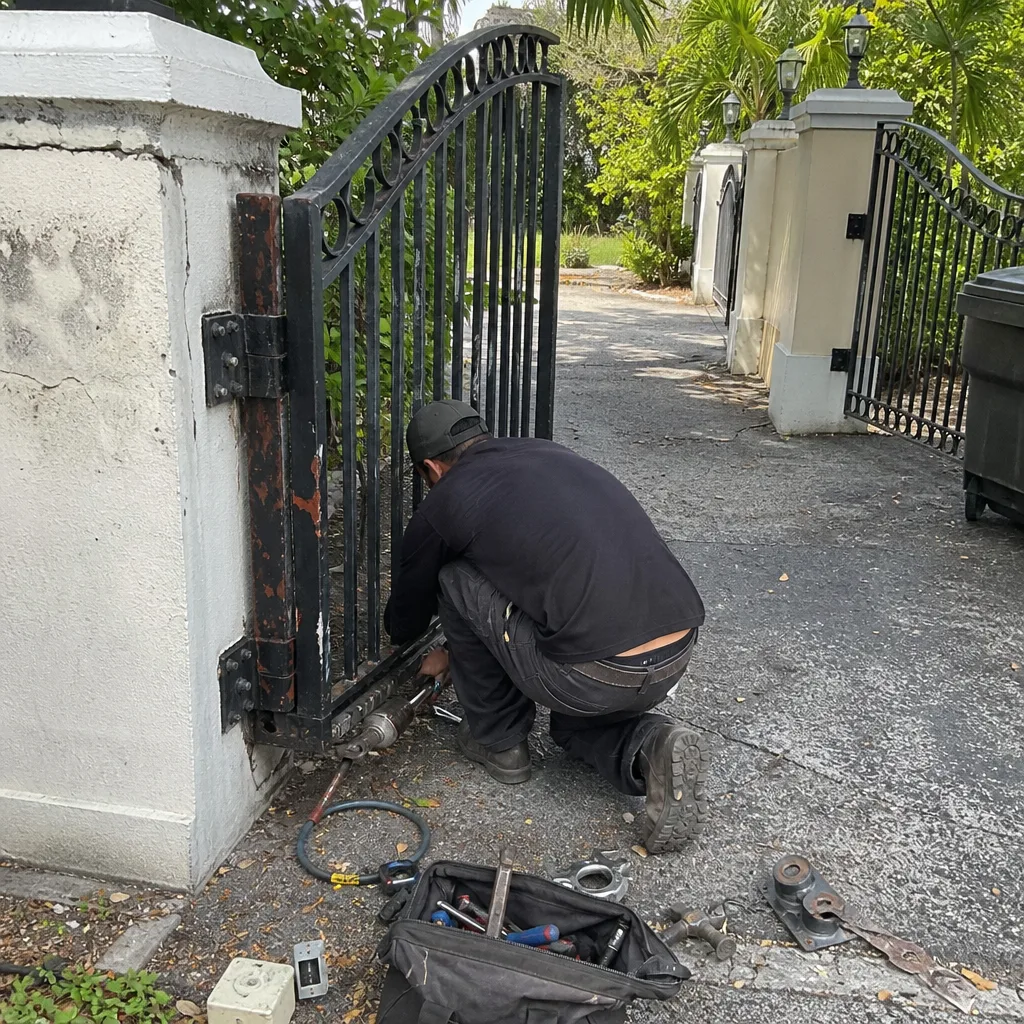 Before
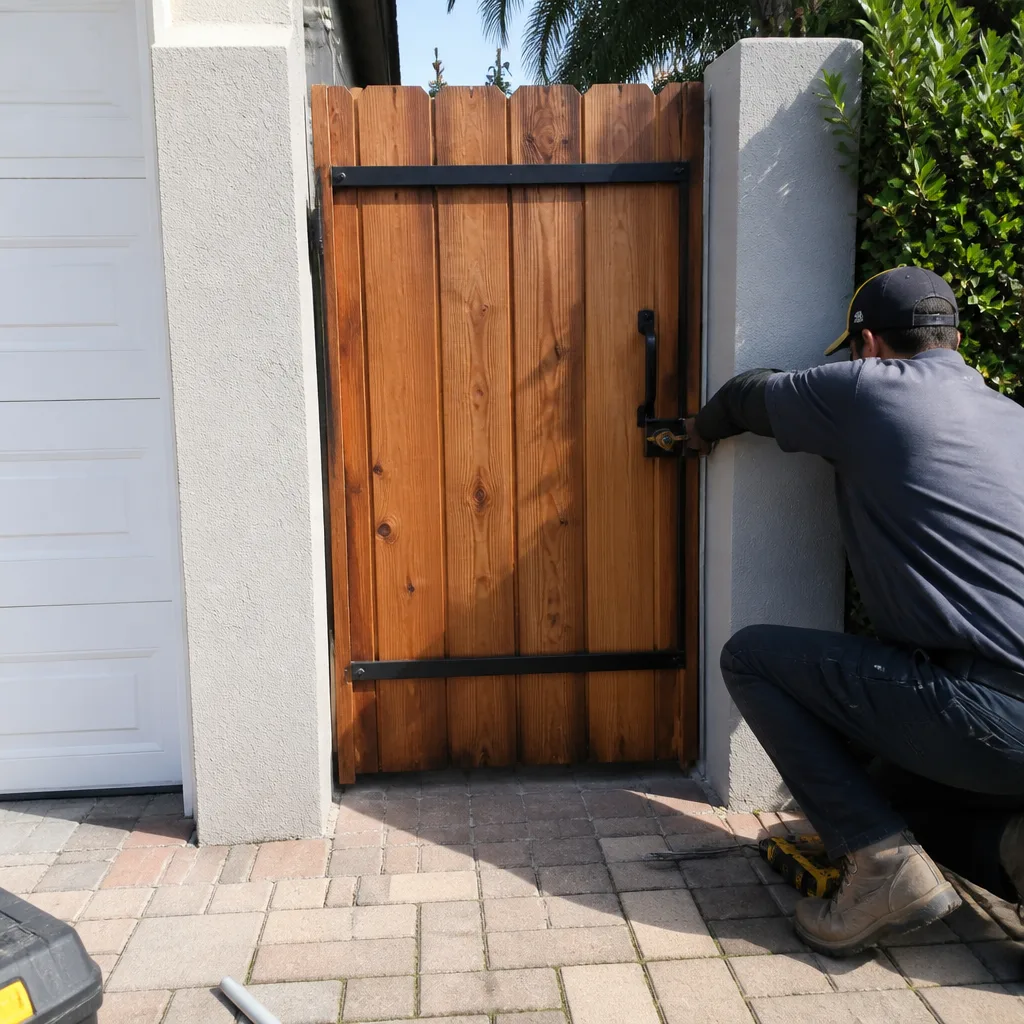 After
After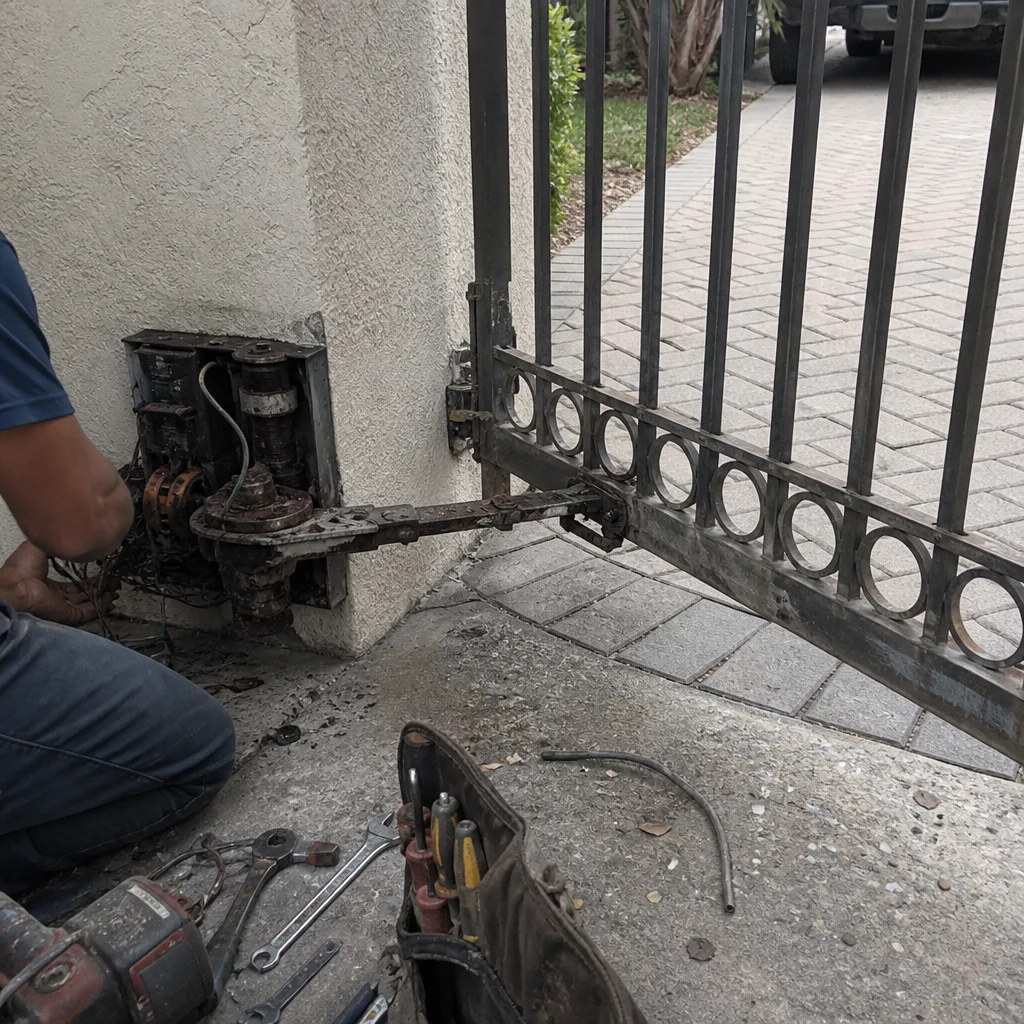 Before
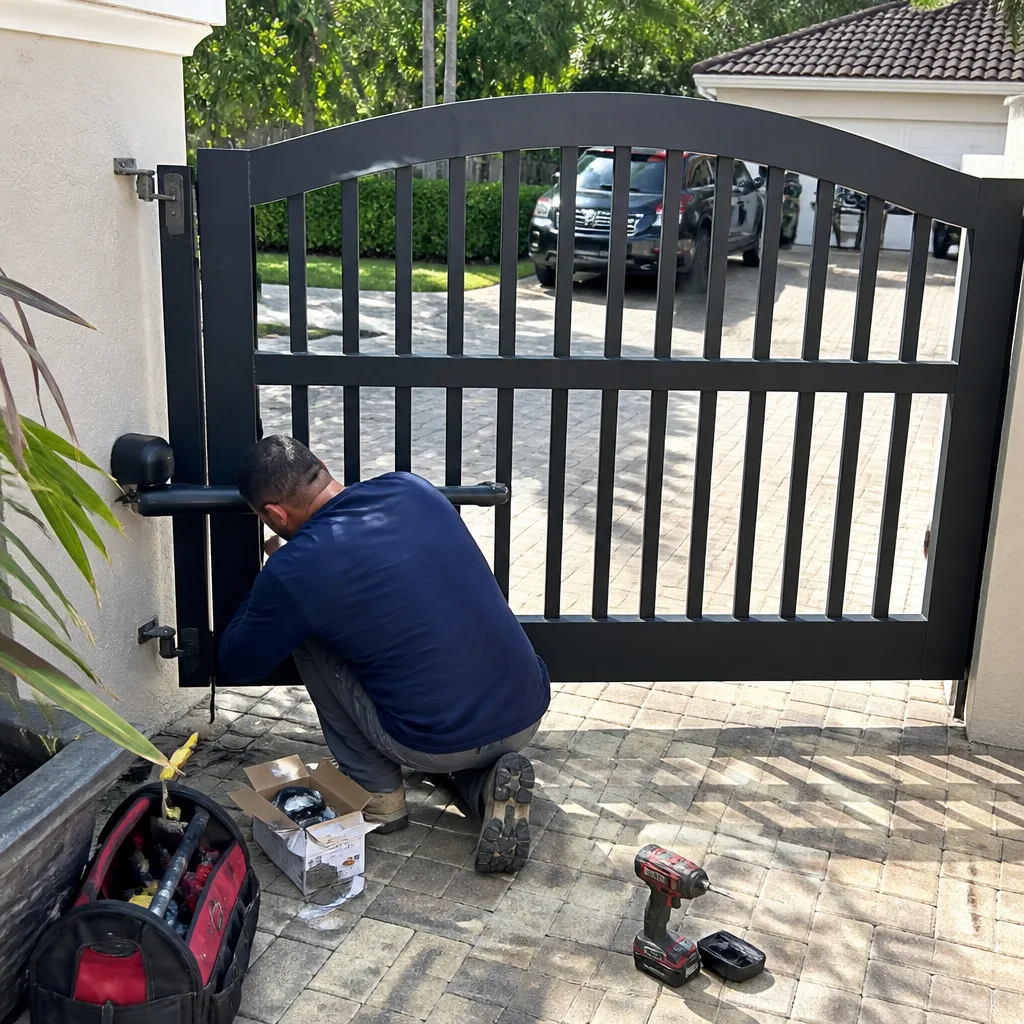 After
After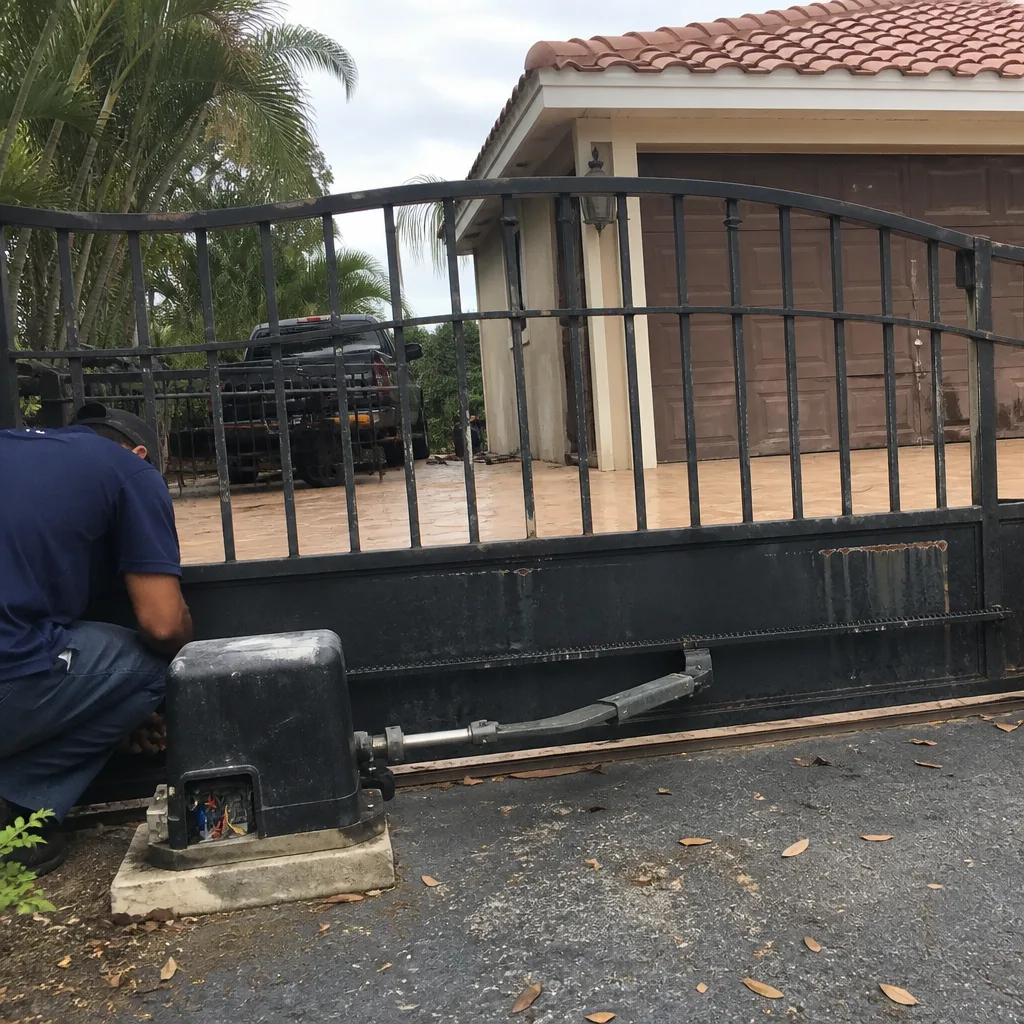 Before
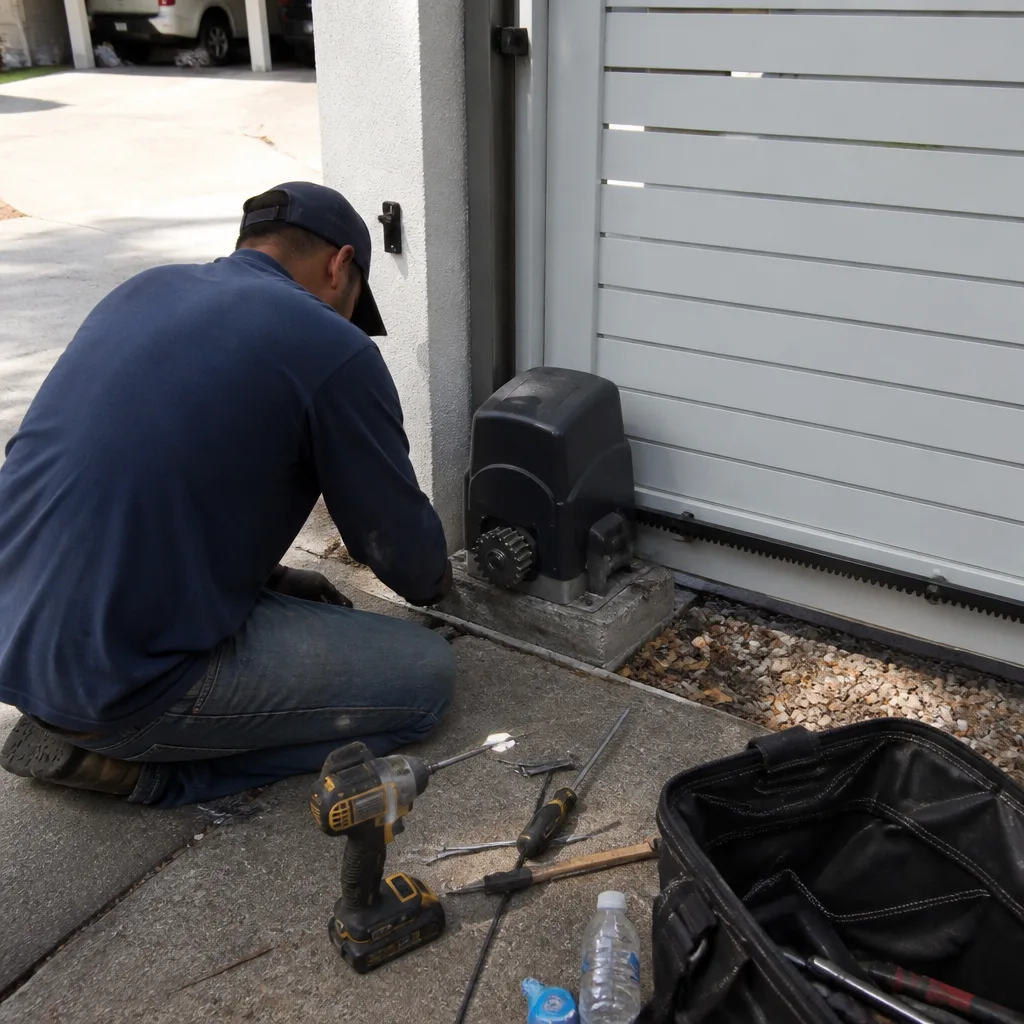 After
After