
Last updated October 17, 2026
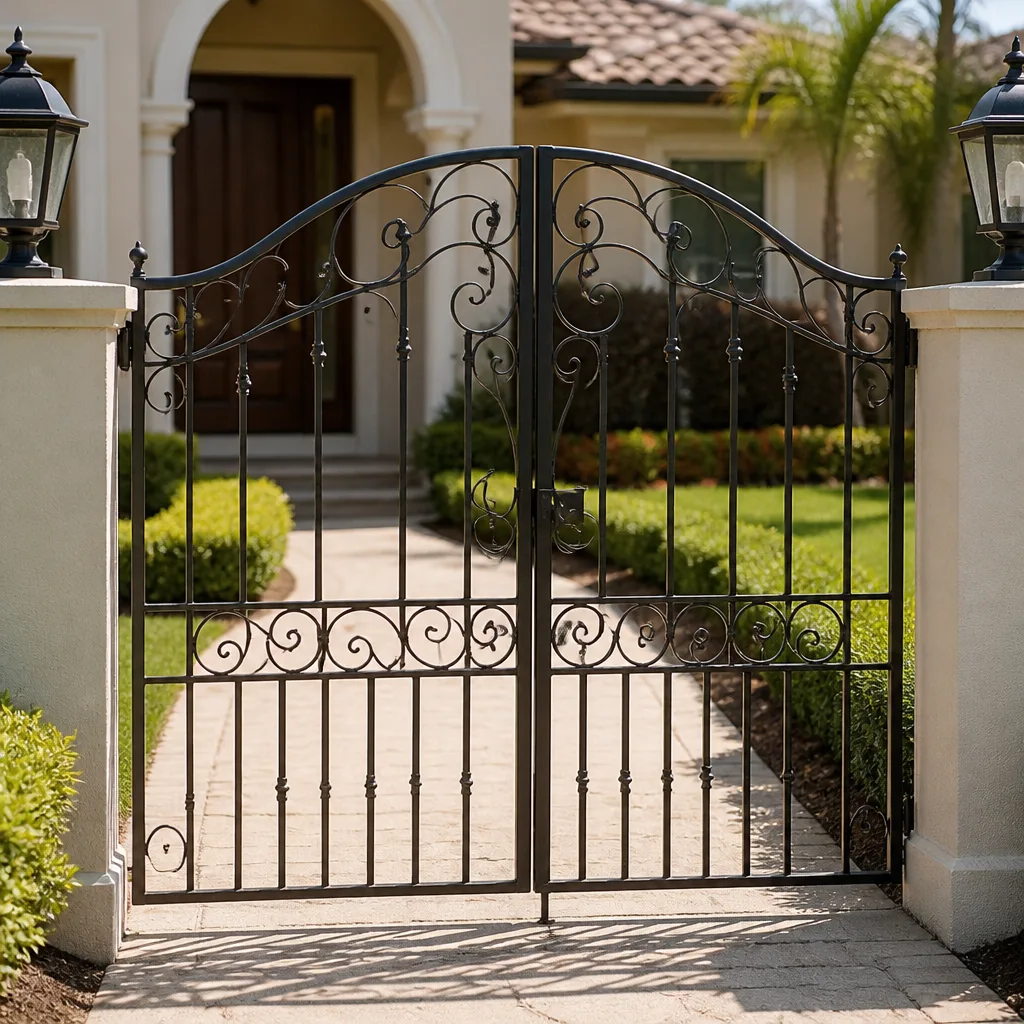 Wrought iron
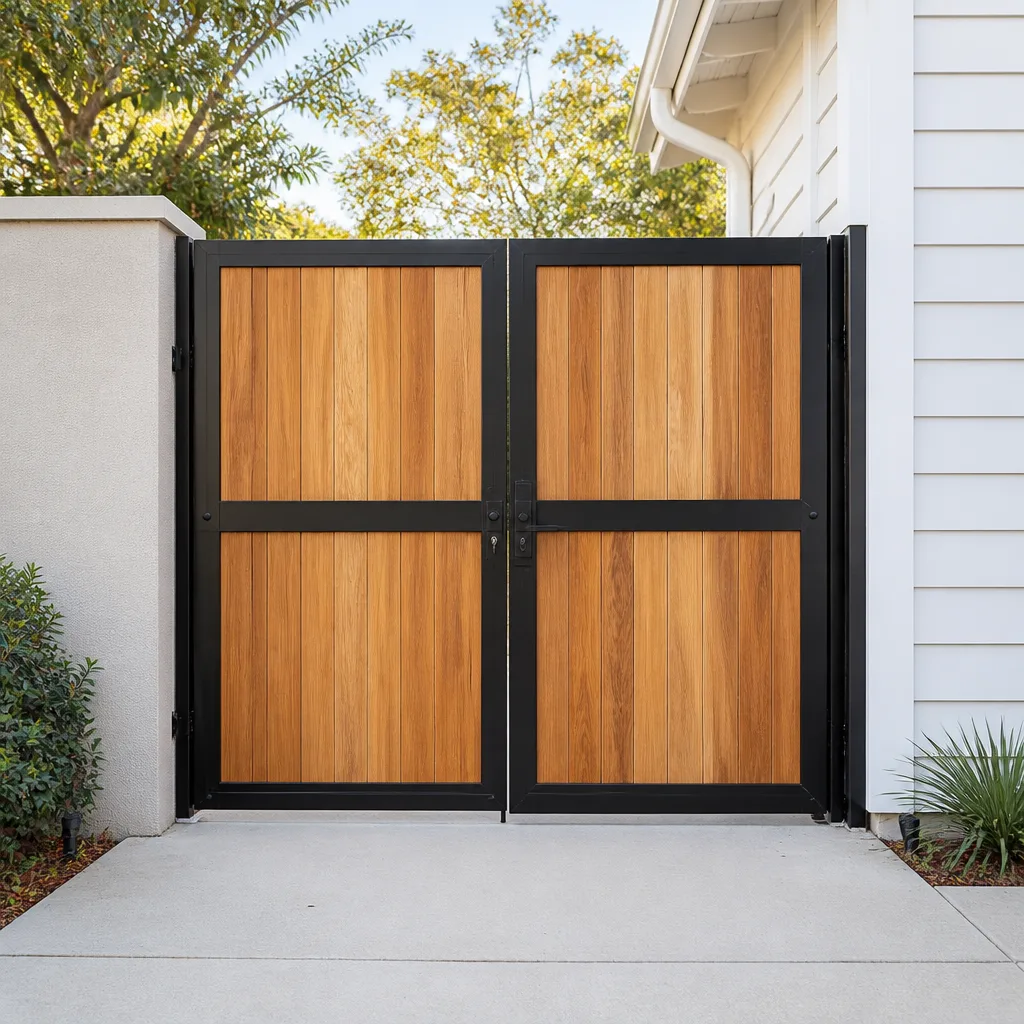 Wood & steel frame
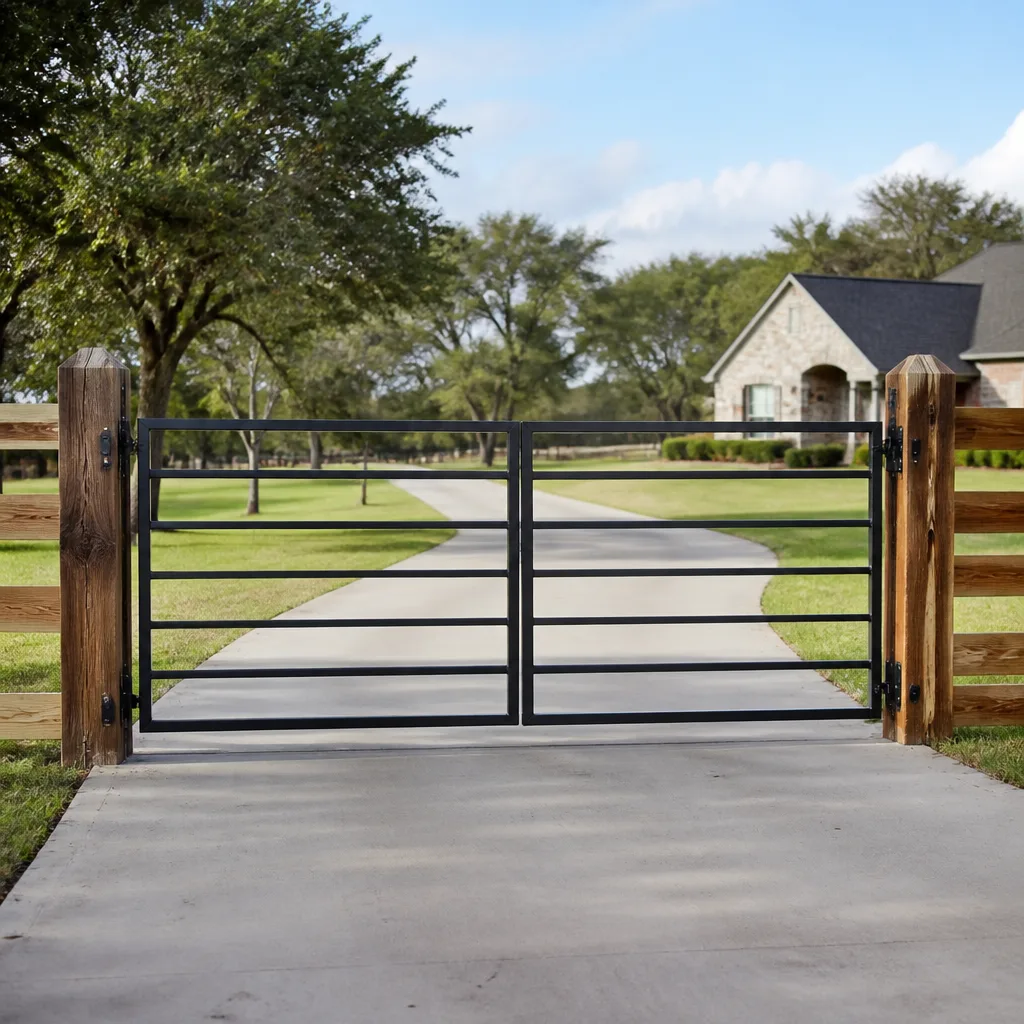 Farm & ranch
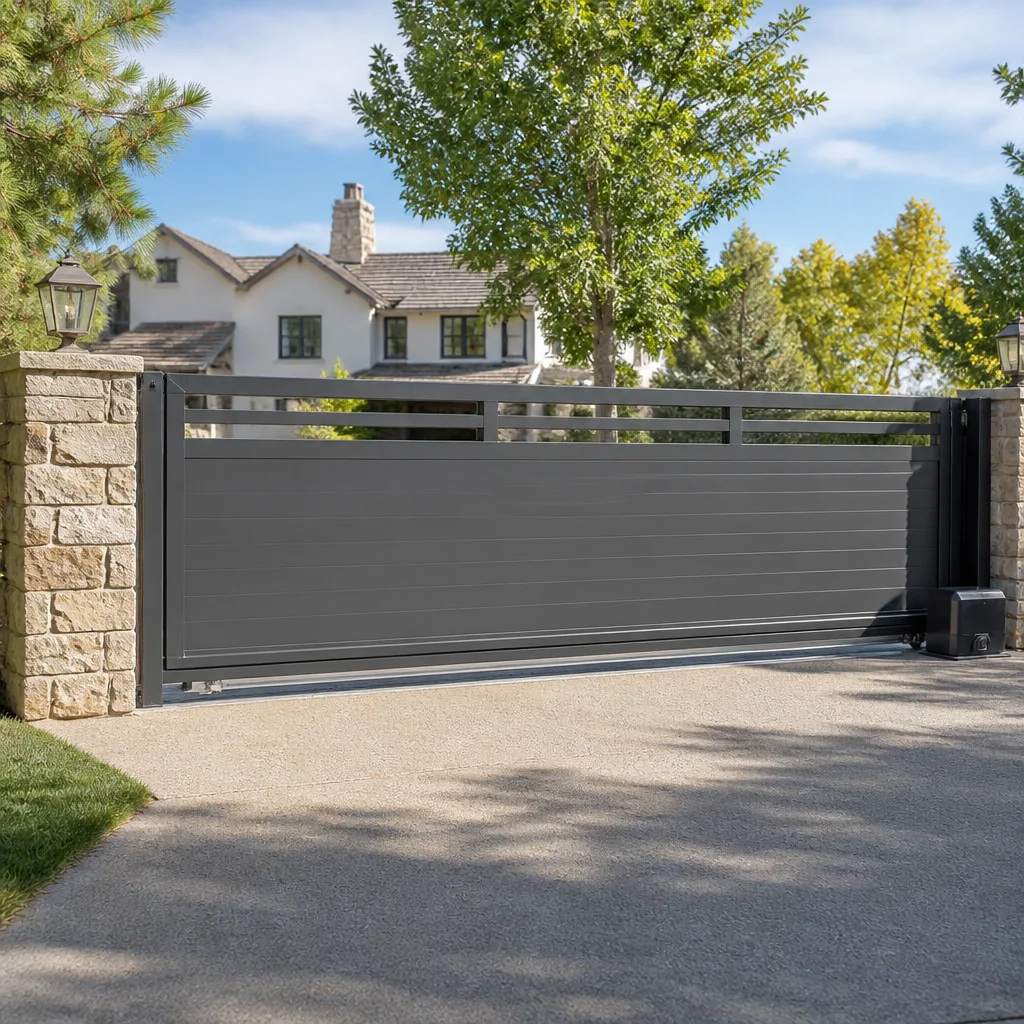 Sliding driveway gates
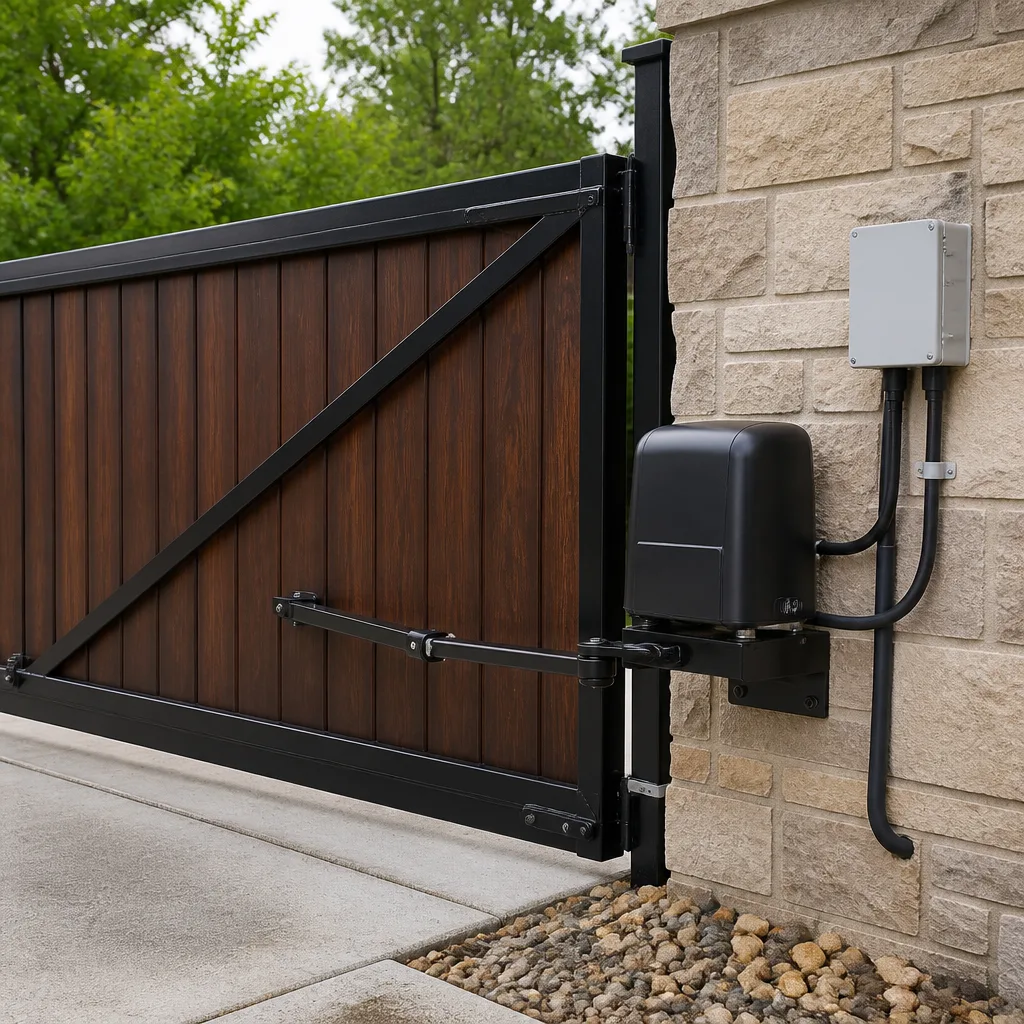 LiftMaster operators
Free on-site gate assessment - hinges, posts, and your LiftMaster or Nice gate operator checked before anything is quoted
The assessment is free and the quote is the invoice.
Get your free estimateGate Repair Permits, Codes & Inspections in FL: What You Need to Know
Replacing a single rotted post on your existing gate in unincorporated Palm Beach County can trigger a fence/gate permit requirement that costs $75 and requires an inspection, but swapping the entire gate panel on the same posts typically does not. The line is structural, not cosmetic. That distinction catches West Palm Beach homeowners off guard more than any other part of gate work, and it matters far beyond the initial repair: unpermitted structural work shows up during title searches and home inspections when you eventually sell. This guide-along with our Gate Repair Warning Signs: A West Palm Beach Homeowner’s Reference Guide-explains exactly where the permit line sits in Palm Beach County, how City of West Palm Beach rules differ from county rules, what a compliant post replacement looks like, and what you need to keep in your files so a gate project never becomes a closing-table problem.
Styles & brands we work with
Quick Answer
In Florida, repairing an existing gate typically requires no permit as long as you are not replacing a structural post or changing the gate’s footprint, height, or setback. In Palm Beach County, any post replacement, new footing, or gate system that alters load-bearing structure triggers a permit, usually around $75, with an inspection required. Cosmetic swaps like a new gate panel, hinges, latch hardware, or an opener on existing posts generally do not.
Table of Contents
- The Structural vs. Cosmetic Threshold: Where the Permit Line Actually Sits
- Palm Beach County Code: What Triggers a Permit
- City of West Palm Beach vs. Unincorporated Palm Beach County
- What a Compliant Post Replacement Looks Like
- The Resale Risk of Unpermitted Structural Gate Work
- Who Handles the Permit Paperwork: A Gate Specialist vs. a General Handyman
- Common Mistakes to Avoid
- When to Call a Professional
- Frequently Asked Questions
- The Bottom Line
The Structural vs. Cosmetic Threshold: Where the Permit Line Actually Sits
Florida building code treats gates and fences as a single regulated category, and the permit question almost always turns on one question: does the work alter what holds the gate up? A repair is considered structural when it changes or replaces a post, a footing, a load-bearing rail, or any element that transfers wind and weight load to the ground. A repair is cosmetic when it replaces components that attach to an existing, intact structure: gate panels, hinges, latches, rollers, opener arms, keypads, and control boards.
In West Palm Beach and the surrounding county, we see this play out most often with wooden gates. A homeowner notices a leaning gate and assumes the fix is a new panel. The technician arrives and finds the post itself has rotted below grade, which means the post has to come out, a new footing has to be poured, and the post has to be reset in concrete. That is the moment the job moves from repair to structural replacement, and that is the moment a permit becomes necessary. The cost difference is not just the $75 permit fee; it is the inspection scheduling, the curing time for the concrete, and the documentation trail that follows the property.
Where Southwest Florida’s Climate Makes It Worse
Palm Beach County’s combination of sandy soil, summer rainfall, and high water table accelerates wood post decay at the soil line. We regularly see posts in neighborhoods like El Cid, Flamingo Park, and the Northwood Hills area that look solid above ground but are spongy two inches below the surface. This is not a maintenance failure; it is what the local climate does to pressure-treated lumber over a decade. The practical effect is that more gate repairs in West Palm Beach cross the structural threshold than homeowners expect, because the hidden failure is almost always at the post base, not in the visible gate panel.
We lay drop cloths on the floor and put on shoe covers before we step inside when the gate control panel or wiring runs through the house, and we name what will be protected: your floors, your air, your pets, and sleeping kids. That same care applies to how we handle code: we explain the permit trigger before touching anything, because the homeowner should hear about the $75 fee and the inspection from us, not from a stop-work order.
Palm Beach County Code: What Triggers a Permit
Palm Beach County operates under the Florida Building Code with local amendments, and the county’s Building Division treats fences and gates under the same permit category. The trigger language matters: any new construction, any structural alteration, and any replacement of a fence or gate system’s load-bearing components requires a permit. The county does not care whether the work is done by a contractor or a homeowner; the trigger is the work itself, not who performs it.
Here is the practical breakdown of what requires a permit in Palm Beach County:
- Replacing a post, gate, or column: requires a permit. This includes a single post, even if the other side of the gate opening stays untouched.
- Pouring a new concrete footing or enlarging an existing one: requires a permit and an inspection before backfill.
- Installing a completely new gate where none existed: requires a permit, including new gate panels hung on newly set posts.
- Raising the gate height above what exists today: requires a permit, and in many West Palm Beach zones there is a specific height ceiling you cannot exceed regardless of permit.
- Moving a gate opening to a different location along the fence line: requires a permit and may trigger setback review if the new opening is closer to the property line or street.
And here is what does not require a permit:
- Replacing a gate panel on existing, sound posts: no permit. This is a repair, not construction.
- Replacing hinges, latch hardware, rollers, or tracks: no permit.
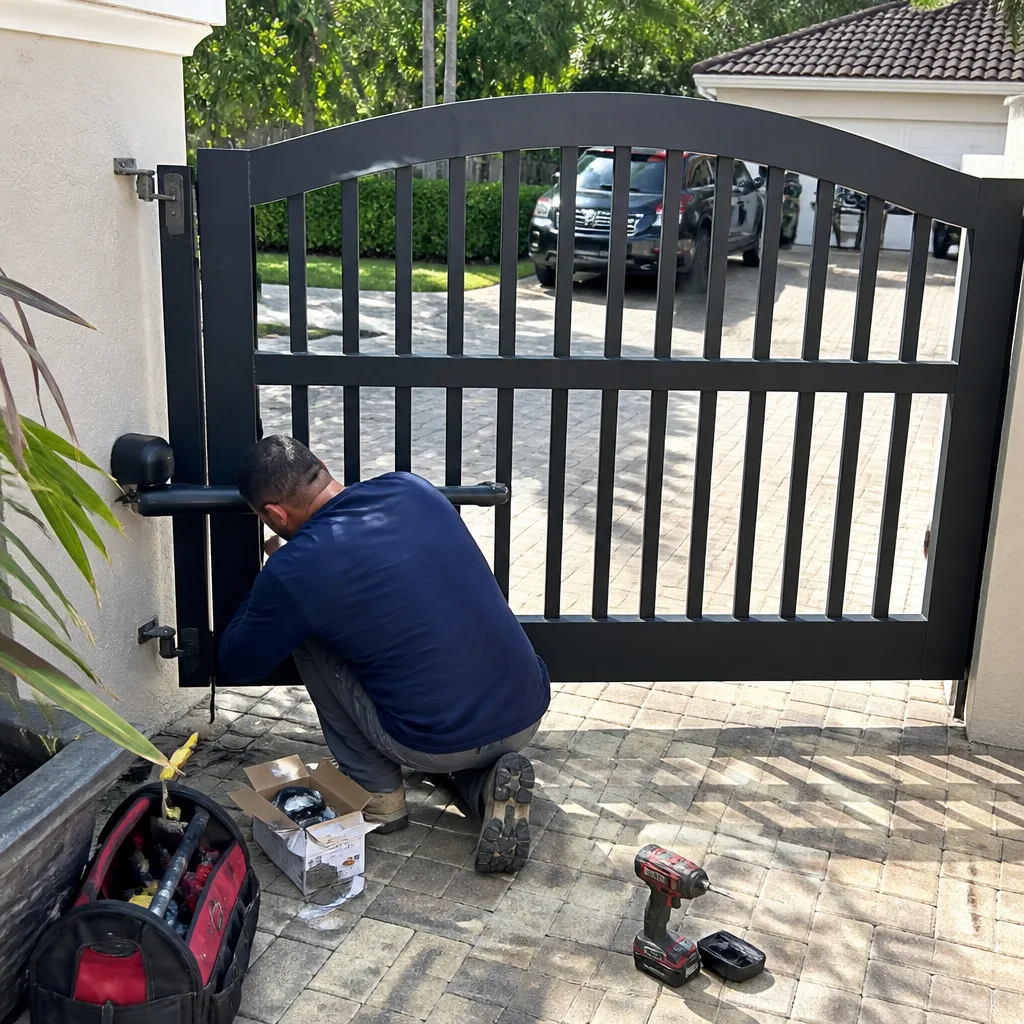
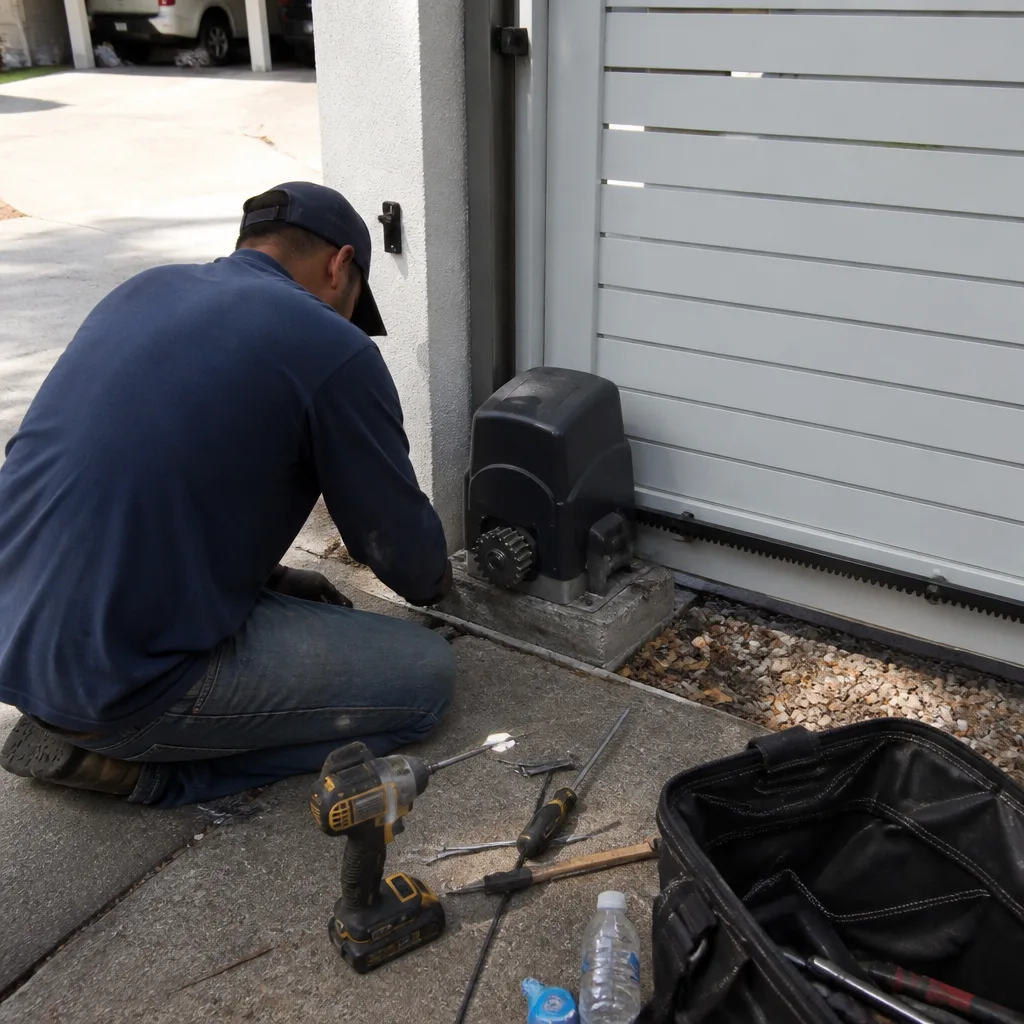
- Replacing an electric gate opener, motor, or control board: no permit for the equipment swap itself, though the new opener must have current UL safety device compliance (photo eyes, edge sensors) if the opener is electric.
- Re-painting or re-staining an existing gate: no permit.
- Adjusting gate travel, tightening hardware, or lubricating moving parts: no permit.
The line is structural, not cosmetic. When we perform gate repair in West Palm Beach, the first thing we determine on site is whether the existing posts can carry the repair. If they can, we do the work that day and there is nothing to file. If they cannot, we tell the homeowner before any work starts that we will need to pull a permit, and we explain what that means in time and dollars.
City of West Palm Beach vs. Unincorporated Palm Beach County
West Palm Beach operates its own building department with rules that are generally aligned with unincorporated Palm Beach County but differ in a few specifics that matter for gate work. If your property address ends in “West Palm Beach” but sits outside the incorporated city limits, you fall under county jurisdiction, and the county’s thresholds apply. If you are inside the actual city limits, city code governs.
The key differences we tell West Palm Beach homeowners about:
- Gate height ceilings: The City of West Palm Beach caps residential fence and gate heights at 6 feet for most single-family zones, with 4 feet as the standard max for front-yard gates and fences that face a street. Unincorporated Palm Beach County allows up to 6 feet in most residential zones regardless of front or back placement, and up to 8 feet in some rural or agricultural designations. If your gate is at the property line facing the street, the city is the stricter jurisdiction.
- Setback rules: City code requires gates and fences along a street-facing property line to sit a minimum distance back from the right-of-way, typically 10 feet for a vehicular gate so a waiting car does not block the sidewalk or roadway. The county is looser on front setback for single-family homes but stricter on corner lots, where a gate must not block the sight triangle at the intersection. These setbacks exist so drivers and pedestrians can see around the corner before entering the road.
- Material restrictions: The City of West Palm Beach prohibits barbed wire, razor wire, and electrified fencing on residential properties, full stop. Unincorporated Palm Beach County allows certain agricultural fencing materials in rural zoned districts but applies the same prohibition in residential subdivisions. For standard residential gates, both jurisdictions require materials that do not create a hazard, which excludes uncoated sharp metal edges and open panel designs that a child or pet could get limbs through.
- Electric gate safety requirements: Both the city and county require electric gate openers to meet UL 325 safety standards, including a functioning entrapment protection device such as photo eyes or contact edge sensors. The city is more likely to check this on a final inspection than the county, but both have the authority to flag it.
When we handle electric gate repair in West Palm Beach, we check whether the opener has functioning safety edges and photo eyes as part of the job, not as an add-on. A gate opener that reverses on contact with a child’s bike or a dog’s leash is a safety feature, not an upgrade, and it is also what both the city and county inspectors look for when they do show up.
What a Compliant Post Replacement Looks Like
If your gate post has to come out, the county wants to see the new footing before it gets buried. That means the job moves in stages: demo, dig, form, pour, inspect, then set the post and hang the gate. Here is what a compliant post replacement looks like in Palm Beach County, step by step:
- Permit application: A building permit for a fence/gate post replacement is filed with the jurisdiction, either the City of West Palm Beach Building Division or Palm Beach County Building Division. The application includes a simple site sketch showing the gate location, the post depth, and the footing dimensions. The fee for a standard residential gate post replacement is typically $75 in unincorporated Palm Beach County; city fees are comparable.
- Footing excavation: The old post and its concrete base are dug out. The new hole must extend below the Florida frost line equivalent, which is 24 inches in Palm Beach County, and most gate posts are set at 30 to 36 inches for stability in sandy soil. The hole diameter is typically 8 to 10 inches for a standard 4×4 or 6×6 post.
- Concrete pour and post set: The post is set plumb in the hole, and the hole is filled with concrete to at least 24 inches of encasement. In West Palm Beach, where the water table sits close to the surface, we pour the concrete slightly above grade and slope it away from the post so water does not pool at the base and accelerate rot.
- Inspection call: Before backfilling or finishing the surrounding grade, the permit holder calls for a footing inspection. In unincorporated Palm Beach County, inspections are scheduled through the county’s online portal, typically with a 24 to 48 hour window. The inspector verifies hole depth, post placement, and concrete coverage.
- Final assembly: Once the footing passes, the gate panel goes back on the new post with new hardware, and the gate is adjusted for plumb, level, and swing clearance.
Every gate comes down to two parts, the latch that holds it and the post that carries it. That is the job we focus on, and it is why we handle the permit filing and the inspection scheduling for our customers in West Palm Beach rather than handing them a form and walking away. The homeowner should not spend their afternoon on the county’s inspection portal; a specialist doing this work every week can schedule it in five minutes.
The Resale Risk of Unpermitted Structural Gate Work
The hidden cost of skipping a permit on a post replacement is not the county fine, which is rare, but the resale flag. Title companies in Palm Beach County now run permit searches as standard practice during the closing process. If a home inspection or a visual review turns up a gate post that looks newer than the surrounding fence line, the title officer can pull the permit history and find nothing on file. That triggers a disclosure question to the seller, and from there it spirals.
What we have seen in West Palm Beach transactions:
- Repair credit demands: A buyer’s agent asks for a credit to cover the cost of retroactively permitting the work, which means pulling the permit, opening the footing inspection if the concrete is already buried, and possibly redoing the post if the inspector cannot verify the depth.
- Policy exclusion requests: An insurance underwriter asks for proof that the gate and its electrical components were installed or repaired with permits, and if that proof does not exist, the gate is excluded from coverage or the premium is adjusted.
- Deal delays: The closing gets pushed while the seller scrambles to file an after-the-fact permit, which is available in Palm Beach County but costs more than the original $75 and requires the work to be exposed for inspection.
- Lender conditions: An FHA or VA loan in particular can condition funding on remediation of unpermitted structural work that touches property value or safety, and a gate post to an enclosed yard counts.
Most of this is avoidable for $75 and a day of scheduling. The homeowners who get caught are not the ones who knowingly skipped the permit; they are the ones who hired a general handyman who never mentioned it, rather than a professional offering Gate Repair services that include permit handling. The handyman replaced the post, the gate looks fine, and the missing paperwork only surfaces two years later at closing. That is the resale risk in West Palm Beach, and it is cheaper to prevent than to fix.
Who Handles the Permit Paperwork: A Gate Specialist vs. a General Handyman
Here is the practical difference between hiring a gate specialist and a general handyman for work that touches a structural post in West Palm Beach, drawn from our How to Hire a Gate Repair Contractor in West Palm Beach: A Step-by-Step Guide. A handyman typically bids the labor and materials, replaces the post, and leaves. The permit question is either never raised or raised as a suggestion: “You might want to check with the county about permits.” That sentence shifts the entire compliance burden onto the homeowner, who does not know the permit threshold, does not have the county portal bookmarked, and will almost certainly not follow up.
A gate specialist who does this work in Palm Beach County every week handles it differently. The permit becomes part of the job scope, not a side note. We tell the homeowner up front if the work crosses the structural threshold, we file the permit application ourselves, we schedule the inspection, and we make sure the homeowner has the approved inspection record in hand before we leave for the final time. The homeowner gets a written price before any work begins, and that price includes the permit fee as a line item, so there is no surprise after the fact.
This is not a service differentiator; it is the baseline of doing structural gate work legally in West Palm Beach. The choice is between a handyman who leaves you to figure out county code alone and a specialist who treats permit compliance as part of the repair, the same way we treat shoe covers and drop cloths as part of the visit, not an add-on.
We are factory-trained on the brands families actually own here: Ghost Controls, DoorKing, and Mighty Mule are the three we see most often on West Palm Beach driveway gates, and a technician who knows those systems can diagnose a problem on the first visit instead of ordering parts and hoping. But that training also means we know when a repair crosses from equipment swap, which needs no permit, to structural work, which does, and we say so plainly.
For a complete gate installation in West Palm Beach, the permit is always part of the job. New posts, new footings, new gate: that is new construction, and the county treats it that way. A gate specialist should quote the permit as a line item without being asked, and the homeowner should see the approved inspection record before the final payment is due.
Common Mistakes to Avoid
- Assuming a rotted post is a repair, not a replacement. Replacing a post is structural. In Palm Beach County, that means a permit, even if the gate panel itself is untouched. The $75 fee is cheaper than the resale flag.
- Raising a gate height above 6 feet inside West Palm Beach city limits without checking the zone. City code caps residential gate height in most zones, and exceeding it can trigger a violation notice even with a permit in hand.
- Setting a new post and pouring concrete without an inspection. Once the concrete is buried, the inspector cannot verify depth or encasement. The after-the-fact permit costs more and may require re-exposing the footing.
- Installing an electric gate opener without confirming UL 325 compliance. Both the city and county can flag an opener that lacks functional photo eyes or contact edges, and the safety risk is the larger problem: an opener without entrapment protection can seriously injure a child or pet.
- Hiring a general handyman for structural gate work and accepting a verbal “no permit needed” assurance. The homeowner carries the compliance liability, not the handyman. If the handyman is wrong, the stop-work order and the resale flag land on the homeowner.
- Skipping the setback check on a corner lot. West Palm Beach corner lots have sight-triangle rules that limit gate and fence height near the intersection. A gate that blocks driver visibility is a code violation even if it is otherwise permitted.
- Filing a permit and then not scheduling the inspection. A permit without a final approved inspection is treated the same as no permit at closing. The inspection record is the document that matters.
When to Call a Professional
If the gate post moves when you push it, the footing is compromised and this is a structural job, not a hinge adjustment. If the gate drags on the ground and the hinges are tight, the post has shifted or sunk and needs to be reset. If the electric opener reverses at random points in its travel, the safety edges or photo eyes are likely failing, and you should not run the gate until they are checked. If you are buying or selling a home in West Palm Beach and the gate looks newer than the fence line, ask for the permit record before you close. Latch and Post Gate Repair West Palm Beach offers free estimates in West Palm Beach; call (728) 203-0817 and a live person answers, any hour, any day.
Frequently Asked Questions
A standard residential gate post replacement permit in unincorporated Palm Beach County typically costs $75, and City of West Palm Beach fees are comparable. The permit is a line item on your written estimate, quoted before any work starts, and it is a fraction of what an after-the-fact permit costs. For an exact number on your specific job, call (728) 203-0817 and we will tell you straight.
No. Replacing a gate panel on existing, sound posts is considered a repair, not construction, and needs no permit in either the City of West Palm Beach or unincorporated Palm Beach County. The permit requirement kicks in only when a post is replaced, a footing is poured, or the gate’s footprint, height, or setback changes.
You can physically do the work, but a structural post replacement in Palm Beach County still requires a permit, and the inspection is the part homeowners cannot self-certify. Skipping the permit saves $75 today and risks a resale flag, an insurance exclusion, and an after-the-fact permit that costs more later.
The title company may pull your permit history and flag the gate if it looks newer than the fence line, which can trigger a buyer credit demand, a lender condition, or a delayed closing while you file an after-the-fact permit. An approved inspection record from the original work prevents this entirely.
Swapping an electric gate opener, motor, or control board on an existing gate does not require a permit. However, the opener must meet UL 325 safety standards, including functional photo eyes or contact edge sensors, and those are checked if the gate is ever inspected for other work.
Once the footing is poured and the post is set, the inspection is scheduled through the county or city portal, typically within 24 to 48 hours. The inspection itself takes about 15 minutes: the inspector checks hole depth, post placement, and concrete coverage, then signs off so the gate can be finished.
The Bottom Line
Gate repair permits in Florida come down to one distinction: fixing what attaches to a sound post needs no permit, but replacing the post itself does, and that $75 permit is the cheapest insurance against a resale problem you will not see coming until the closing table. In West Palm Beach, the sandy soil and high water table rot post bases faster than homeowners expect, which pushes more repairs across the structural threshold than anyone anticipates. Know your jurisdiction, city versus county, because height and setback rules differ. Know that the approved inspection record is the document that matters, not the permit application. And know that a gate specialist handles all of it as part of the job, the same way a careful technician lays drop cloths and puts on shoe covers before stepping inside your home. For more guides & resources on protecting your property value, visit our blog.
Written by Cody Beckman, Owner at Latch and Post Gate Repair West Palm Beach, serving West Palm Beach since 2009.
See the difference
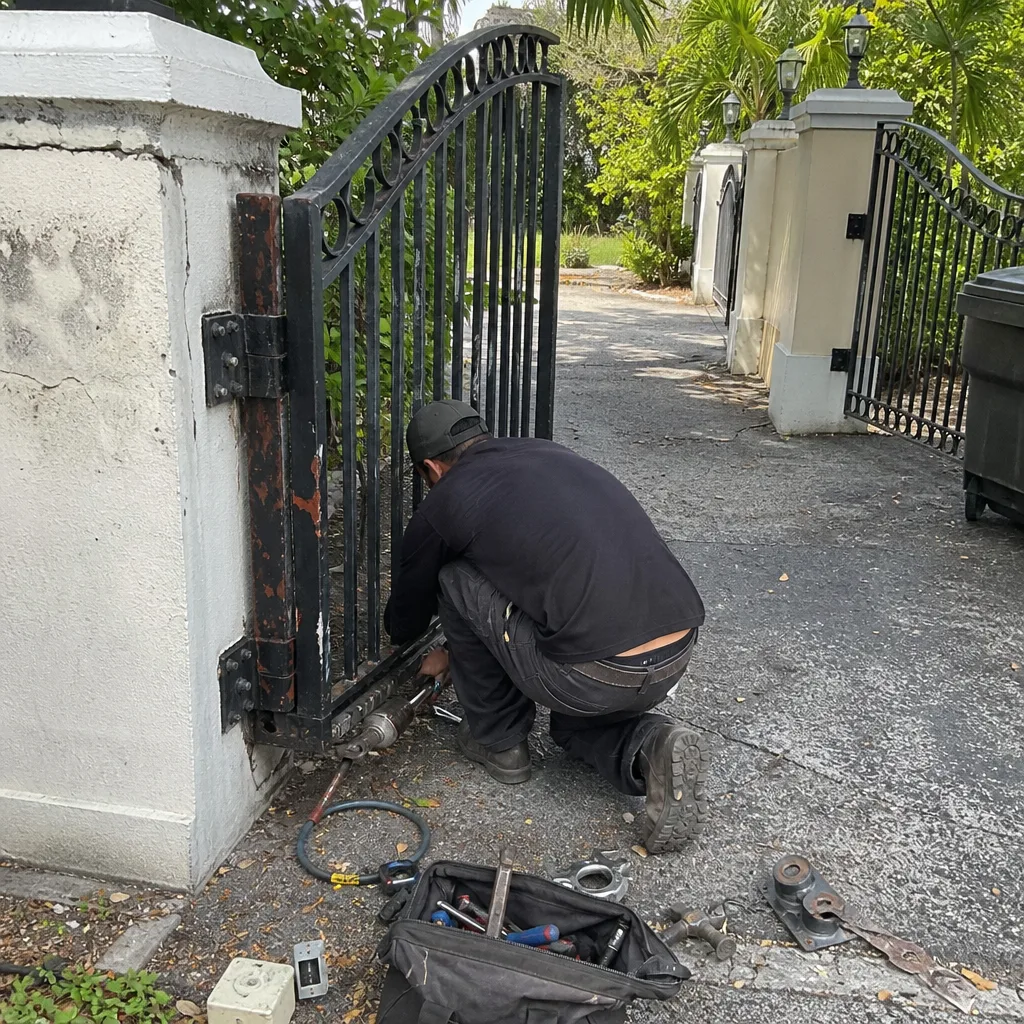 Before
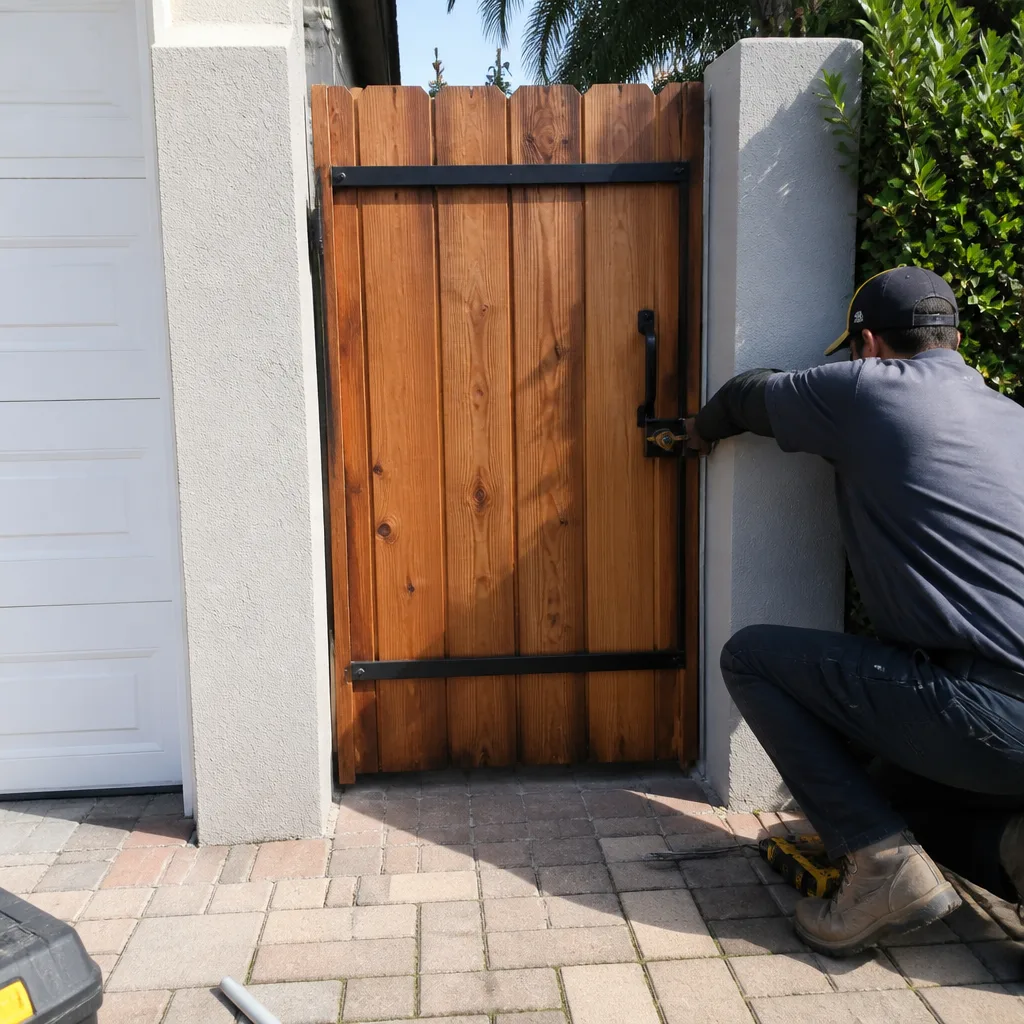 After
After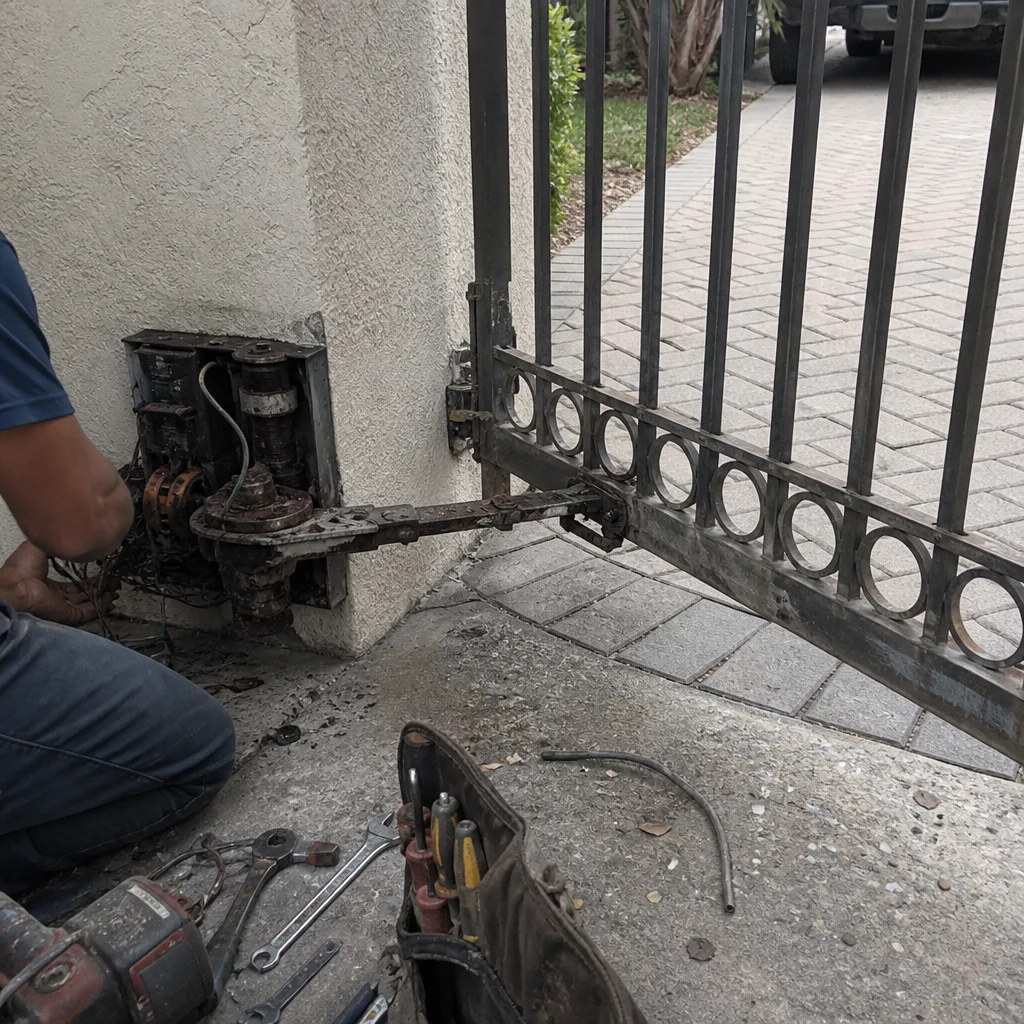 Before
 After
After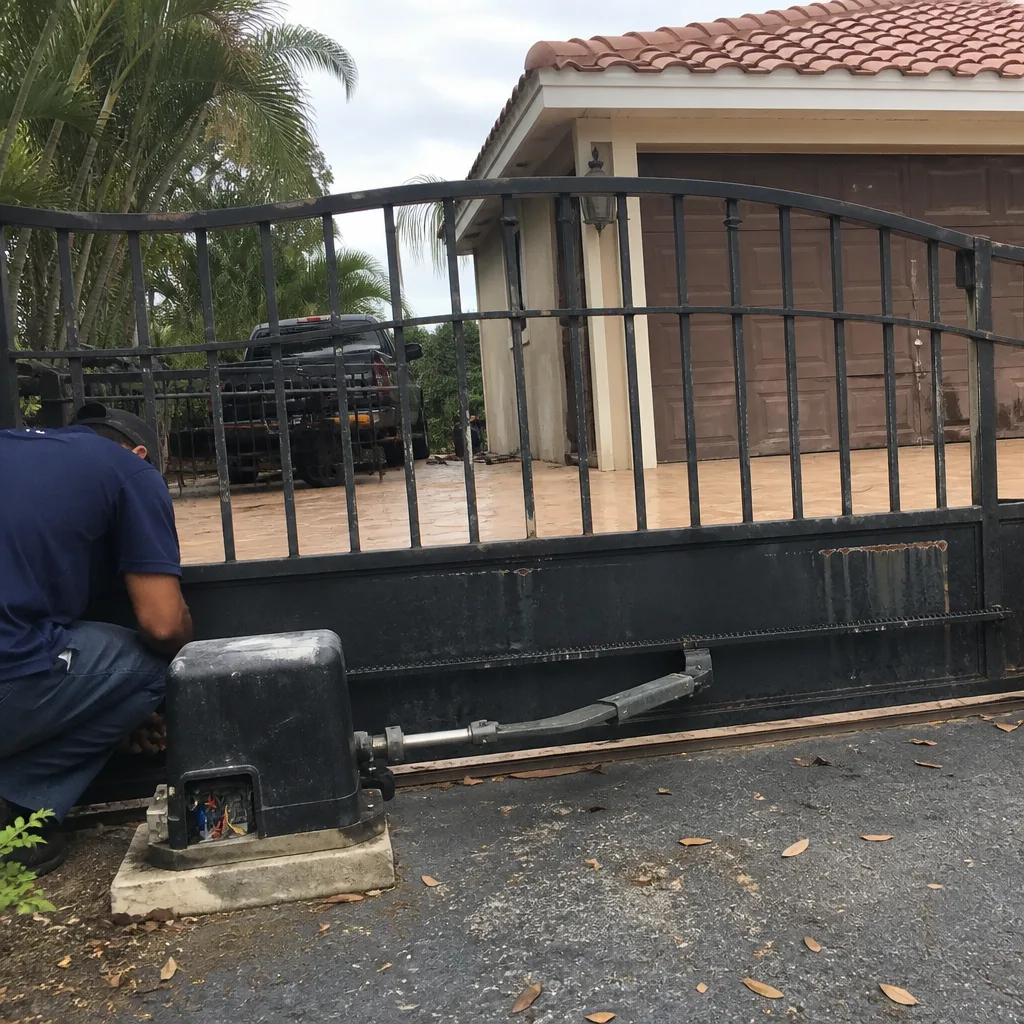 Before
 After
After